INVESTIGATIONS & ESSAYS

Engineering Writing

Technical investigations and engineering arguments: what the physics says, how the models behave, where the assumptions fail, and what the design implications are.

8 ARTICLES·2 SERIES
SERIES · 2 PARTSUPDATED 23 AUG 2026

Tokamak Fusion Reactors: Bringing our Sun to Earth

An engineering investigation into how tokamak fusion reactors confine, heat, stabilise, and control hundred-million-degree plasmas—and what it takes to turn fusion into useful power.

  1. Engineering a Magnetic Bottle for a Star cover
    PART 01

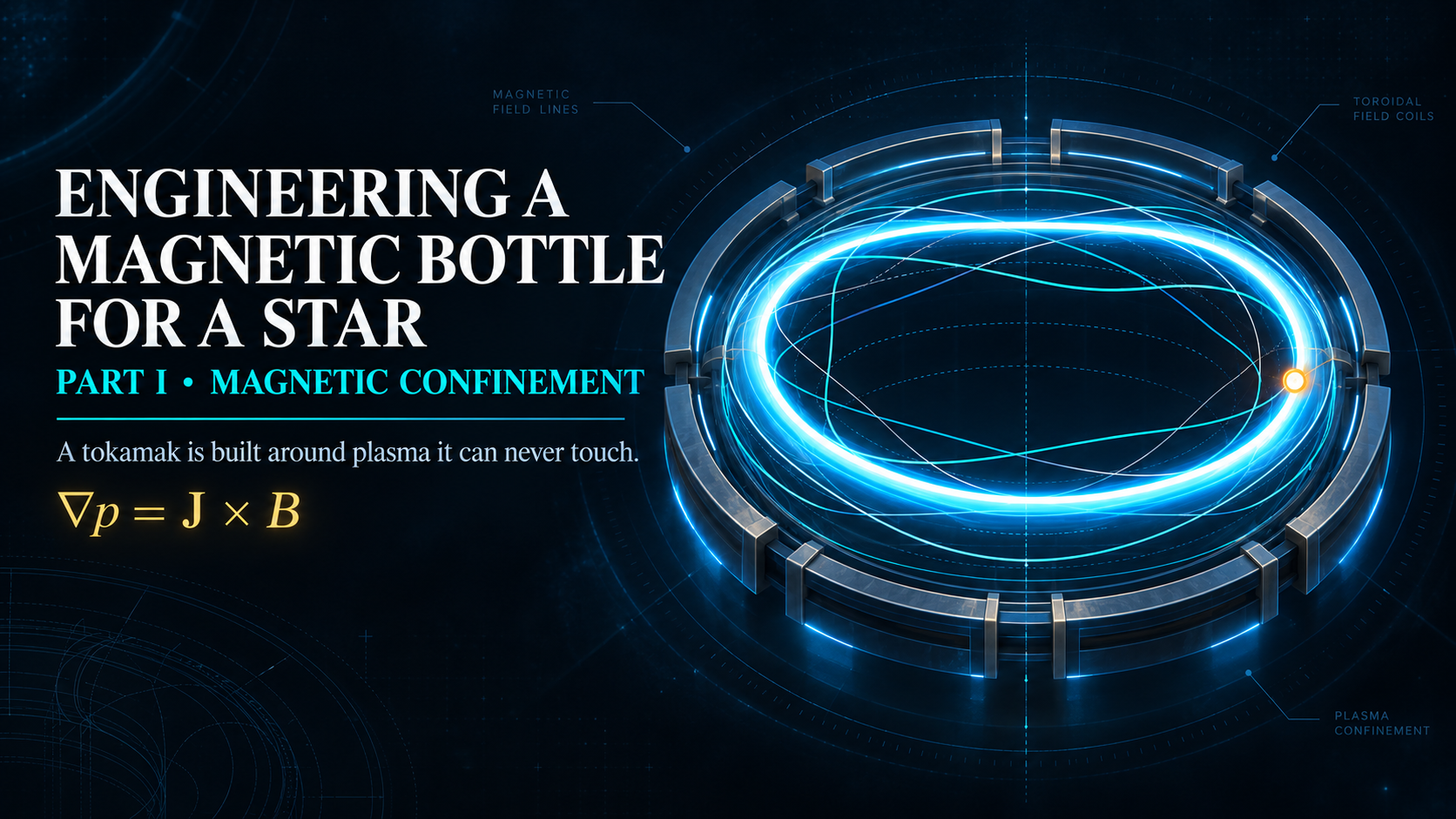
    Engineering a Magnetic Bottle for a Star

    Fusion requires plasma temperatures exceeding one hundred million kelvin—far beyond the limits of any material container. This article explores how tokamaks use charged-particle dynamics, helical magnetic fields, plasma current, MHD equilibrium, heating, stability, and turbulence control to construct a magnetic bottle capable of reaching fusion conditions.

    tokamak fusionmagnetic confinementplasma physicsmagnetohydrodynamics
    23 AUG 2026Read
  2. Turning a Burning Plasma into a Power Plant cover
    PART 02

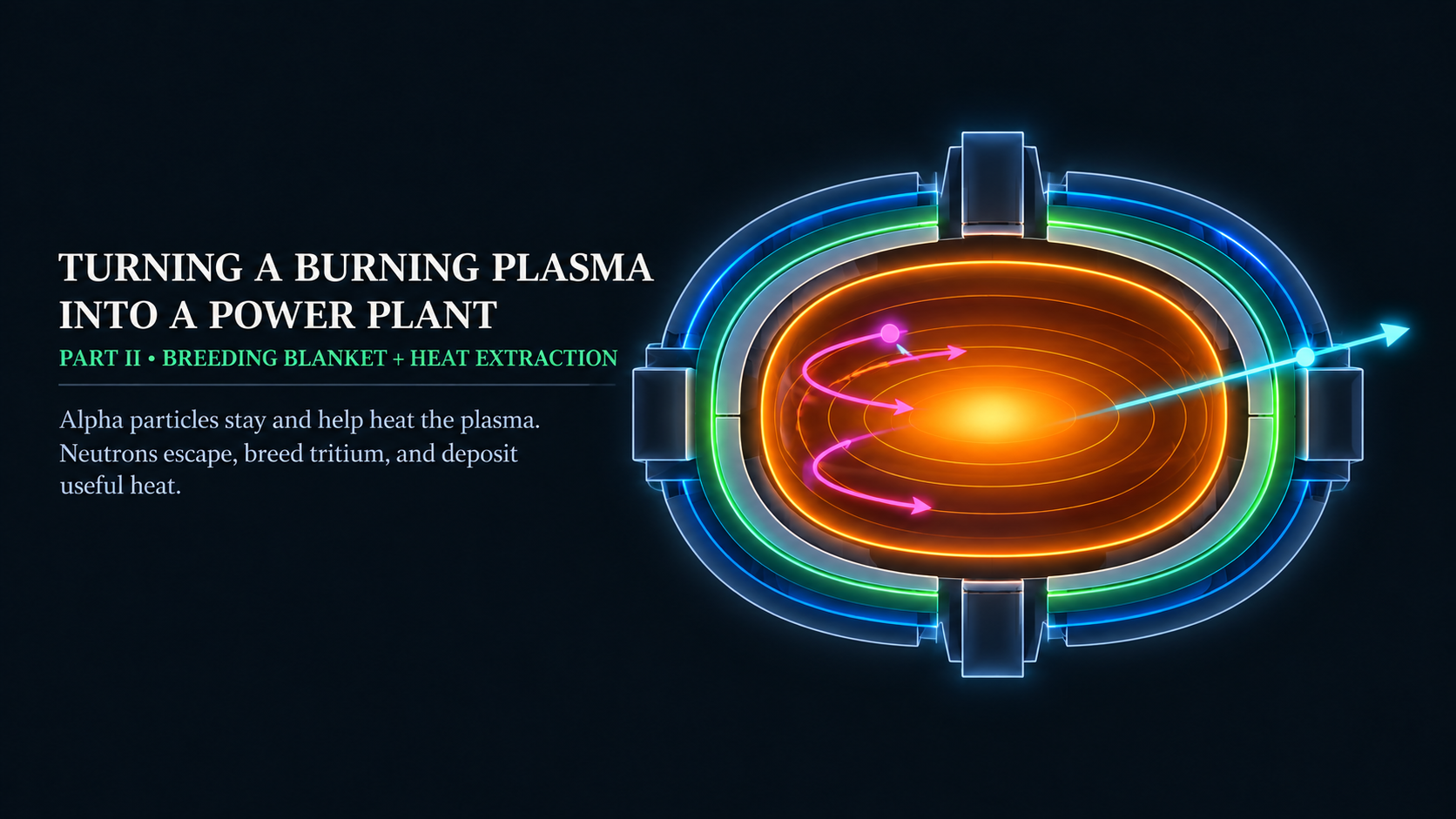
    Turning a Burning Plasma into a Power Plant

    Reaching fusion conditions is only the beginning. This article examines how a burning tokamak couples alpha self-heating, neutron transport, tritium breeding, superconducting magnets, plasma exhaust, state estimation, and multirate feedback control into a complete fusion power system.

    tokamak fusionfusion reactortritium breedingsuperconducting magnets
    23 AUG 2026Read
SERIES · 4 PARTSUPDATED 14 JUL 2026

Autonomous Engineering Design: From Physics-Based Simulation to Intelligent Optimization

High-fidelity simulation can analyze almost anything, but exhaustively exploring a modern design space is computationally impossible. This four-part series investigates how multi-fidelity surrogate models, active learning, and reinforcement learning solve this bottleneck—and why the future engineer must act as a guardian of physics rather than just an operator of software.

  1. The Multi-Physics Bottleneck in Computational Engineering cover
    PART 01

    The Multi-Physics Bottleneck in Computational Engineering

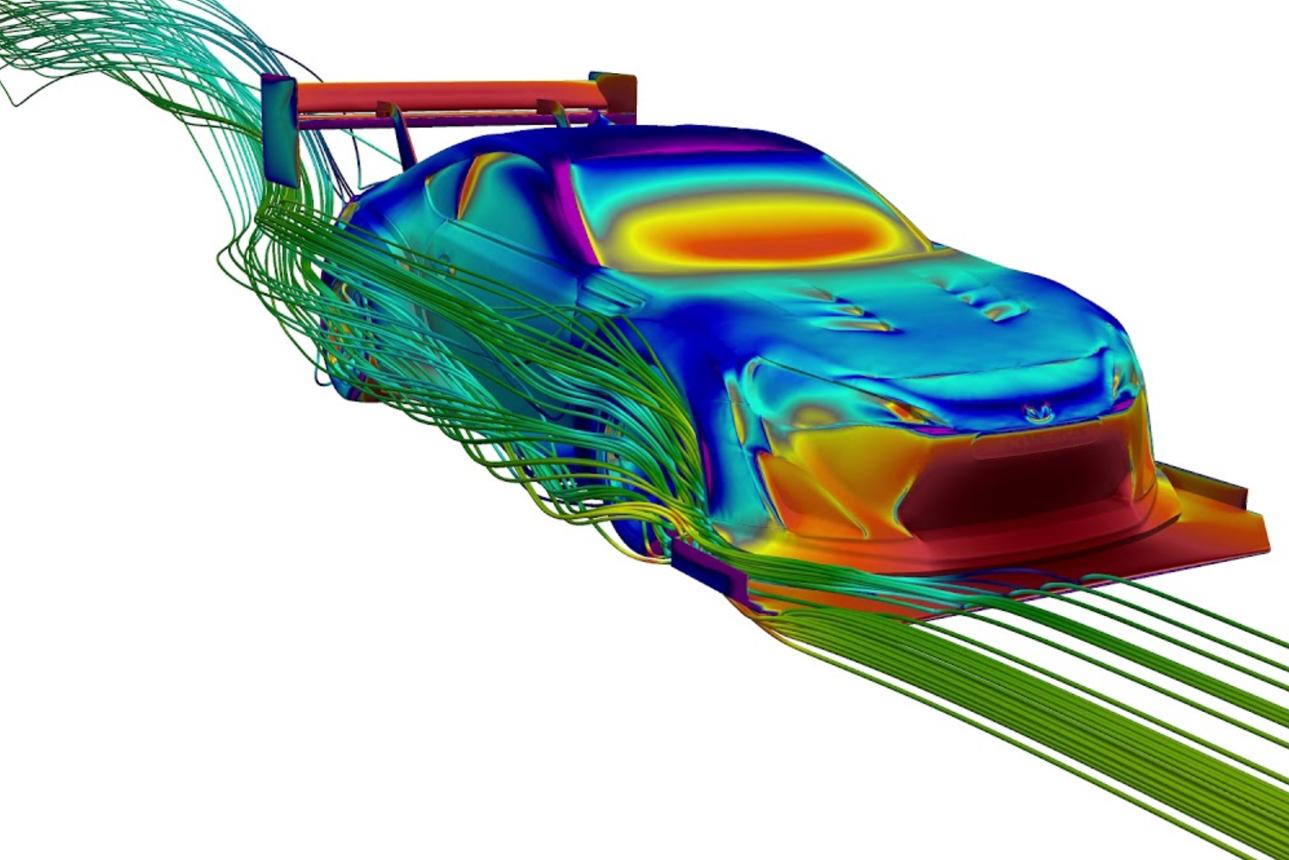
    Modern engineering systems are governed by interactions between multiple physical domains. Using a pulse jet case study, this article explores why changing a single design variable can simultaneously affect fluid dynamics, combustion, thermal loading, and structural behaviour.

    multiphysicssimulation-driven designcomputational engineeringpulse jet
    08 JUL 2026Read
  2. Why Traditional Optimization Algorithms Fail cover
    PART 02

    Why Traditional Optimization Algorithms Fail

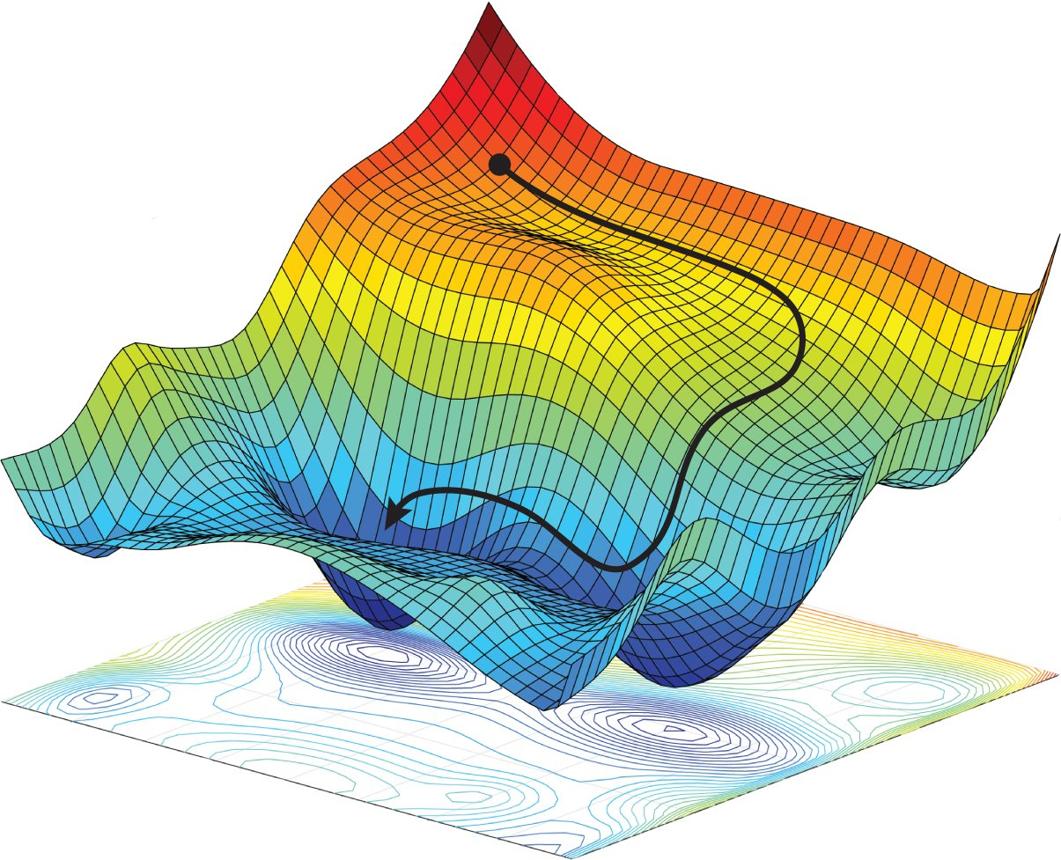
    Traditional optimisation methods become impractical when every design evaluation requires an expensive physics simulation. This article examines why gradient methods, evolutionary algorithms, and conventional search strategies struggle within complex engineering design spaces.

    optimization algorithmsengineering optimizationdesign space explorationcomputational cost
    10 JUL 2026Read
  3. Intelligent Simulation Selection and Multi-Fidelity Optimization cover
    PART 03

    Intelligent Simulation Selection and Multi-Fidelity Optimization

    A surrogate model that knows what it does not know is only useful if the optimisation system can act on that uncertainty. This article explores active learning, Bayesian optimisation, and multi-fidelity methods for intelligently allocating computational resources across complex engineering design spaces.

    active learningbayesian optimizationsurrogate modelingmulti-fidelity simulation
    12 JUL 2026Read
  4. The Autonomous Engineer: Trust, Verification, and the Future of Design cover
    PART 04

    The Autonomous Engineer: Trust, Verification, and the Future of Design

    Autonomous optimisation systems can explore enormous design spaces, but they cannot determine whether their predictions represent physical reality. This final article examines model exploitation, uncertainty, validation, and the evolving role of engineers in trustworthy computational design.

    autonomous engineeringmodel validationsimulation-driven designuncertainty quantification
    14 JUL 2026Read